What do people ask about man down alarms for lone workers in New Zealand?
Man down alarms are safety devices that raise an alert when a worker may have fallen, stopped moving, or needs urgent help. In a New Zealand workplace, they are usually discussed alongside SOS buttons, GPS location, two-way voice, and other features that help a lone worker get attention quickly. The short answer to most questions is simple: a man down alarm is useful when working alone creates a real risk, and the right setup depends on the work, the environment, and how alerts will be handled.
The details matter. A device that works well in an office may not suit someone moving through a remote site, a noisy plant area, or a building with patchy coverage. The questions below cover the practical issues people often raise when looking at Man down alarms new Zealand workplaces may use for lone worker safety.
What does a man down alarm actually do?
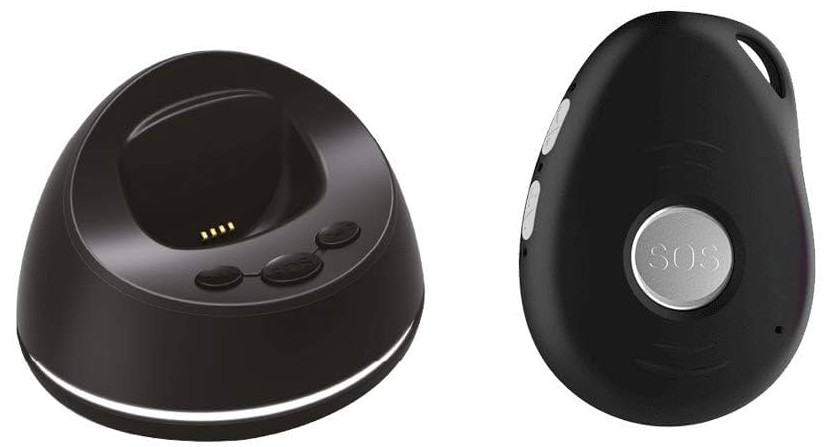
A man down alarm is designed to detect a possible incident and trigger an alert. Some systems rely on a fall detection sensor, while others use a no-motion alert, which raises concern when the device has not detected normal movement for a set period. Many wearable alarms also include an SOS button, so the worker can call for help if they are still conscious and able to press it.
The point is not just to make a noise nearby. In many lone worker setups, the alert is sent to another person or a monitoring service so someone can respond. GPS location can help responders understand where the worker was last detected, and two-way voice can allow contact without needing a separate phone. That combination matters when a worker cannot reach a phone after a fall or sudden illness.
Who needs one?
A lone worker is not only someone in a remote place. A person may be alone in a workshop after hours, visiting clients, working late in a building, carrying out checks across a large site, or stationed where colleagues cannot easily see or hear them. If an incident would leave that person unable to call for help, a wearable alarm may be worth considering.

The decision should start with the task rather than the device. Work involving machinery, slippery surfaces, confined spaces, long travel, unsafe people, or health risks can create situations where a fall or sudden incapacity is more serious when nobody is nearby. WorkSafe compliance also encourages employers to manage risks to people working alone, so the question is often how the risk will be controlled, not whether the work is officially labelled remote.
How is fall detection different from a no-motion alert?
Fall detection looks for a sudden change in movement consistent with a fall. A no-motion alert looks for a lack of movement over time. They are related but not identical. A worker who has fallen and is lying still may trigger both types, depending on how the device is configured. A worker who has become unwell but has not fallen may be picked up by a no-motion alert rather than a fall sensor.
Neither approach is perfect. Some devices may miss certain falls, and some ordinary movements may look unusual to a sensor. That is why an SOS button remains useful. A worker who is aware and able to act can press it directly, while automatic detection covers situations where pressing a button may not be possible.
What should happen after an alert?
This is one of the most important questions, and it is sometimes overlooked. An alert only helps if someone receives it, understands it, and takes the right action. A workplace needs a clear response arrangement, whether alerts go to a colleague, a supervisor, an after-hours contact, or a monitoring provider.
The arrangement should cover ordinary hours and out-of-hours work. It should also account for missed calls, low battery, unclear location, and situations where the worker cannot speak. Two-way voice can help confirm what has happened, but silence should not automatically be treated as proof that nothing is wrong. GPS location is useful, though it should be read as a guide rather than a perfect pinpoint, especially in buildings or areas with weak signal.
For teams comparing options, NZ Lone Worker can be a useful phrase to keep the focus on the New Zealand work setting rather than generic safety gear. Local work patterns, site conditions, and response arrangements all affect whether an alarm is practical day to day.
Can a wearable alarm replace other safety measures?
No. A wearable alarm is one layer of control. It should sit alongside sensible planning, training, communication rules, and task-specific safeguards. If a job involves working at height, live electrical systems, gas, chemicals, or other high-risk conditions, the alarm does not make the task safe on its own. Those risks need proper controls, and some fixes are a job for a qualified professional.
For example, a worker should not rely on an alarm to make an unsafe method acceptable. If a task could expose someone to a serious hazard, the correct response is to change the work method, use the right controls, and follow the rules that apply to that task. The alarm is there to raise help when something goes wrong, not to justify taking avoidable risks.
What features are worth checking?
Different devices offer different mixes of features, so the best choice depends on the work. The following points are worth comparing when reviewing wearable options:
- How the SOS button works, including whether it can be pressed easily while wearing gloves or during a fall.
- Whether fall detection and no-motion alert can be adjusted for the worker and the task.
- How GPS location is reported and how accurate it is likely to be in the intended work area.
- Whether two-way voice is clear enough for the noise and privacy conditions of the workplace.
- How battery life, charging, and device checks fit into normal work routines.
Comfort also counts. A device that is bulky, awkward, or easy to forget may not be worn when it is needed. A wearable alarm should suit the clothing, personal protective equipment, and movement required for the job. If it interferes with normal work, people may remove it, which defeats the purpose.
Are there privacy concerns?
Yes, and they deserve a straight answer. Devices with GPS location and two-way voice can collect information about where people are and what can be heard around them. That may be appropriate for safety, but workers should understand when location is available, who can see it, and how alerts are handled.
Clear policies help avoid confusion. The aim should be worker safety, not routine monitoring of ordinary movement. If a device has voice capability, the workplace should be clear about when it is used and why. Good communication builds trust, and trust affects whether people wear the device consistently.
How often should the system be checked?
A simple functional check should be part of the routine, especially before isolated or after-hours work. That may include confirming the device has charge, the SOS button is accessible, the worker knows how to use it, and the alert contact is available. Checks should be recorded where that helps prove the control is being maintained.
It is also sensible to review the system after a near miss, a changed work pattern, a new site, or a change in staff. A setup that suited a small team may not suit new shifts or a different location. NZ Lone Worker planning works best when it is treated as an ongoing safety process, not a one-time purchase.
What is the main thing to remember?
Man down alarms can give lone workers a way to raise help when they cannot use a phone or call out. Their value comes from the full arrangement: a suitable device, a worker who knows how to use it, reliable alert handling, and a response plan that works at the time the risk is present.
Before choosing one, look at the actual work. Ask what could happen, how quickly help would be needed, what the environment would do to signal and voice contact, and who would respond. Those questions lead to a safer decision than picking a device on features alone.
Corrections
Spot something wrong? Send it to the desk and it gets fixed in the open.